
Part of our Wildlife & Nature guide.
Updated November 2026 · By Terry Barkhuizen, NOM-08 certified tour guide (credential N012608).
As a guide who has spent years leading tours in the breathtaking landscapes of the Riviera Maya, I’ve had the privilege of showing visitors the region’s most extraordinary wildlife — from the majestic sea turtles in Akumal to the colorful birds and jaguars that roam the jungles. Yet, one thing I’ve learned is that while these experiences can be life-changing for travelers, it’s critical that we approach wildlife tourism with responsibility and respect.
This post is a call to action — not just for visitors, but for all of us who care about the future of the natural world. The Riviera Maya is home to diverse ecosystems and wildlife that are increasingly at risk due to human activity. So, how do we enjoy these natural wonders without causing harm? The answer lies in practicing responsible wildlife tourism.
What is Responsible Wildlife Tourism?
Responsible wildlife tourism means more than just observing animals in their natural habitats; it’s about ensuring that our presence does not disrupt or endanger the creatures we encounter. It’s about balancing our desire to witness the beauty of nature with the urgent need to preserve it for future generations.
When we engage in responsible wildlife tourism, we:
- Respect the habitats of animals, avoiding intrusion or damage to their homes.
- Follow ethical guidelines that protect the well-being of the animals, ensuring they are not distressed, exploited, or harmed.
- Support conservation efforts, either by contributing to local conservation programs or choosing tour operators who prioritize sustainability.
In the Riviera Maya, these principles are particularly important due to the fragility of our ecosystems. Here’s how responsible wildlife tourism plays a vital role in protecting our region.
Sea Turtles: Protecting a Timeless Journey
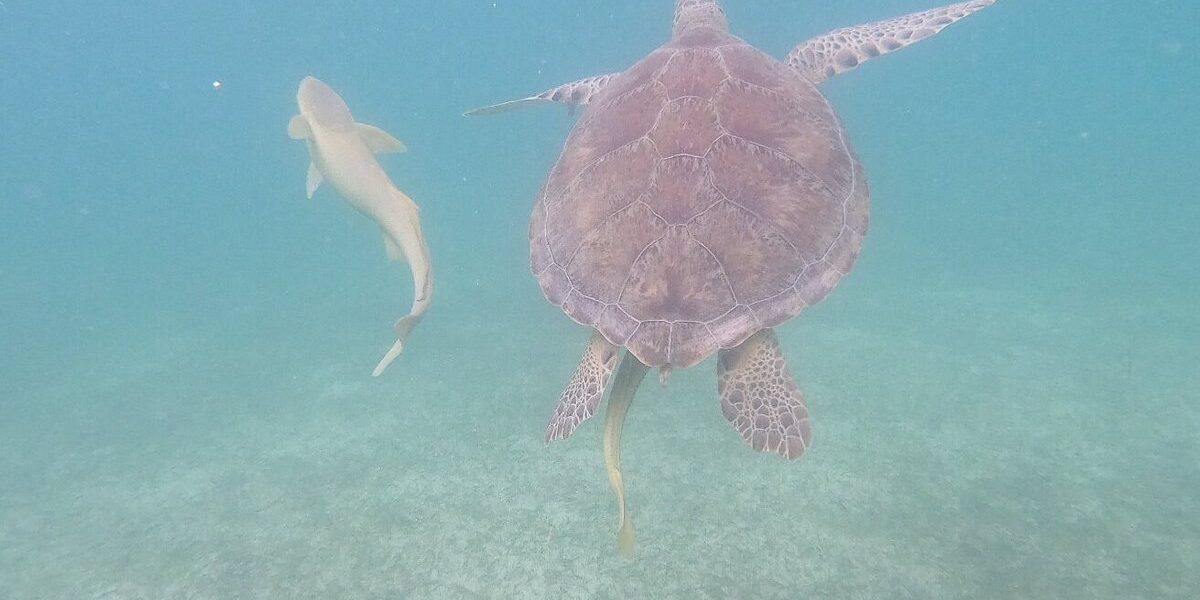
One of the most iconic wildlife experiences in the Riviera Maya is swimming alongside sea turtles in Akumal. These gentle creatures have been making their way to the beaches of Mexico for millions of years, coming ashore to lay their eggs in the sand.
But human activity, including irresponsible tourism, threatens their survival. Plastic pollution, habitat destruction, and direct interference during nesting seasons are just a few of the dangers sea turtles face. As visitors, we can reduce these impacts by:
- Avoiding touching or chasing the turtles while snorkeling.
- Observing nesting areas from a distance and respecting barriers set up to protect the eggs.
- Supporting local initiatives that work to preserve turtle nesting grounds and educate the public about conservation.
Cenotes and Cave Systems: A Fragile Underwater World
The Riviera Maya is famous for its cenotes — natural sinkholes that provide a glimpse into the area’s vast underground river systems. These cenotes are not only stunning to look at but are also vital sources of fresh water and unique habitats for fish, plants, and other wildlife.
Tourism brings people to these pristine environments, but with that comes the risk of contamination, overcrowding, and damage to the delicate ecosystem. When visiting cenotes, responsible travelers can:
- Avoid using sunscreen or other chemicals that can pollute the water.
- Limit noise and movement to avoid disturbing the fish and plants living in these waters.
- Follow the lead of local guides, who understand the cultural and environmental significance of the cenotes and can help protect these sites.
The Rainforest: Safeguarding Endangered Species
Beyond the beaches, the Riviera Maya is home to a thriving jungle ecosystem that shelters some of the world’s most endangered species, including jaguars, spider monkeys, and countless bird species. The region’s biodiversity is a treasure trove of life, but deforestation and habitat destruction continue to threaten these species.
When we embark on jungle treks or visit reserves, it’s essential to:
- Stick to marked trails and avoid trampling vegetation or disturbing animal habitats.
- Support eco-friendly tours that promote conservation and respect for wildlife.
- Keep a respectful distance from any animals encountered, allowing them to remain undisturbed in their natural environment.
The rules, species by species
- Sea turtles in the water (Akumal and elsewhere). In Akumal Bay’s buoyed turtle zones you must swim with an authorized guide, in a group of no more than six, wearing a life jacket. Never touch, chase, block or feed a turtle, and keep a few metres away. See the full rules in the Akumal guide.
- Nesting turtles on the beach (roughly May–October). Keep away from nests and nesting females, never use flash or bright lights on the beach at night, don’t leave holes or sandcastles that trap hatchlings, and only join hatchling releases run by authorized conservation programmes.
- Whale sharks (roughly mid-May to mid-September, off Isla Mujeres and Holbox). Go only with operators holding a federal permit. Strict rules limit how many swimmers enter the water per shark, require life jackets and forbid touching. See the Isla Mujeres guide.
- Dolphins. Wild dolphins are often seen from boats in Sian Ka’an and around the islands – enjoy them from a respectful distance and never let a boat chase them. Think carefully before paying for captive dolphin swims.
- Reefs. Don’t stand on or touch coral, keep fins off the bottom, and use a rash guard instead of sunscreen. Snorkelling inside Cozumel’s reef park carries a daily marine park fee that funds protection. See the Cozumel guide.
- Cenotes and caves. No sunscreen or repellent in the water, don’t touch formations, and never enter cave passages without a certified cave guide. See Cenotes 101.
- Stromatolites in Bacalar. Never stand on or touch them; no sunscreen in the lagoon. See the Bacalar guide.
- Monkeys, coatis and birds. Never feed wild animals – it makes them aggressive and dependent. Keep drones away from nesting birds and colonies.
- Crocodiles. They live in lagoons including Sian Ka’an and around Coba. Swim only where guides say it is safe and never approach or feed them.
Why Ethical Encounters Matter
Ethical wildlife encounters do more than just protect animals; they also provide deeper, more meaningful experiences for travelers. When you know that your visit is supporting conservation efforts rather than contributing to environmental harm, it transforms your connection to the place and its wildlife.
By choosing responsible wildlife tourism, we not only protect the animals and ecosystems of the Riviera Maya, but we also help to ensure that future generations will be able to enjoy these experiences as well.
How You Can Make a Difference
Here are some practical steps you can take to ensure your wildlife experiences are ethical and responsible:
- Choose eco-friendly tour operators: Select companies that follow sustainable practices and prioritize animal welfare. Ask questions about their conservation efforts and how they minimize environmental impact.
- Educate yourself: Before visiting, learn about the wildlife and ecosystems you’ll be exploring. Understand the risks these animals face and how your behavior can make a difference.
- Practice Leave No Trace: Whether you’re snorkeling with sea turtles or trekking through the jungle, always clean up after yourself. Don’t leave trash behind, and avoid picking plants or disturbing wildlife.
- Support local conservation efforts: Many areas in the Riviera Maya have organizations dedicated to protecting wildlife. By donating or volunteering, you can directly contribute to the preservation of these ecosystems.
The ethical wildlife checklist
Use this quick test for any wildlife experience in the Riviera Maya. If an activity lands in the right-hand column, choose something else.
| Choose | Avoid |
|---|---|
| Snorkelling with wild turtles at Akumal with an authorised guide and a small group (Akumal turtle guide) | Touching, chasing or feeding turtles; unlicensed “turtle tours” |
| Whale shark trips that follow the two-swimmer rule (whale shark guide) | Boats that let everyone jump in at once or promise touching |
| Supervised hatchling releases by official turtle programmes (turtle nesting guide) | Handling hatchlings, flash photos, lights on nesting beaches |
| Birdwatching and canal floats in Sian Ka’an | Feeding wildlife to attract it closer |
| Snorkelling over reefs without touching (Cozumel, Akumal) | Standing on coral, chemical sunscreen |
| Cenote swimming by the rules (cenote rules) | Sunscreen or repellent in cenotes, touching formations |
| Seeing monkeys, coatis and birds in the wild at Coba or in the jungle | Photos with monkeys, sloths, parrots or iguanas offered on the street or beach |
| Wild dolphins seen from a boat that keeps its distance | Captive “swim with dolphins” programmes |
Five questions to ask before you book
- Is the operator licensed for this activity and area?
- How many people per guide, and how close do we get?
- Is touching, feeding or handling animals allowed? (The answer should be no.)
- Are the animals wild and free to leave?
- Does part of the fee support conservation or the local community?
More wildlife guides
- Wildlife & Nature hub
- Swimming with whale sharks responsibly
- Snorkelling with turtles in Akumal
- Sea turtle nesting season
- Sian Ka’an tours compared
Final Thoughts
The Riviera Maya is a place of incredible natural beauty, and its wildlife is a crucial part of that experience. However, the increasing pressure of tourism makes it vital for us to travel with purpose and responsibility. Every action we take, no matter how small, can have a lasting impact on the environment and the creatures that call it home.
Responsible wildlife tourism is about more than just admiring animals; it’s about recognizing the role we play in their survival. Together, we can ensure that these extraordinary species continue to thrive in the wild for generations to come.
Let’s protect the Riviera Maya’s wildlife — not just for today, but for the future.
Related reading: Cenotes 101: a guide to the Riviera Maya’s sinkholes · The cenotes of the Riviera Maya: why conscious travel matters